
NAVAJO NATION (KRQE) – For decades, a New Mexico community has been calling for a cleanup of the radioactive mine waste plaguing their region. Those calls have finally been answered.
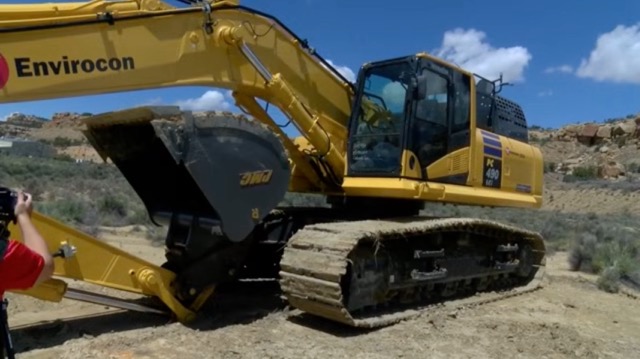
The long-awaited effort to clean up toxic mine waste on the Navajo Nation’s Pinedale Chapter broke ground on Thursday. “While today is a day of celebration, it’s important to recognize the legacy impact, the real human impact, the health impact that U.S. Government mining has had on communities here on the Navajo Nation,” said Mike Martucci, Region 9Administrator for the Environmental Protection Agency.
Formerly operated by United Nuclear Corporation, the Northeast Church Rock uranium mine outside Gallup is a top cleanup priority due to its close proximity to surrounding communities and the EPA’s concerns about radiological exposure.
Edith Hood has lived in the area for decades. She worked at a nearby mine and witnessed the aftermath of the 1979 church rock uranium mill tailings spill, one of the largest releases of radioactive waste in U.S. History. She said no official, not even the Navajo Nation, warned residents about the dangers of the area during the years of peak uranium extraction.
“I hold these places very highly; my grandfather was a medicine man. We had three medicine men living in that valley, and these things started happening, and they started passing,” said Hood.
New Mexico Environment Secretary James Kenney said he’s glad to see this day come, but getting here took longer than it should have. He said his department is ready to get the ball rolling on more partnerships with the EPA to clean up more abandoned mines. “We stand ready to work with EPA to deploy those six billion dollars that I think are still sitting waiting to be deployed across this part of New Mexico and this part of Navajo Nation,” he said.
Meanwhile, Navajo Nation EPA Executive Director Stephen Etsitty said while this is a solution for now, it stops short of what the community wants, which is to remove the mine waste from the Navajo Nation altogether.
Under the current plan, the waste will be transported across the road from the old mine to a repository on General Electric’s privately owned land managed by the Department of Energy.
Etsitty wants waste managers to keep an open mind as technology advances, and consider other disposal options in the future. The waste is moving. It’s going to a place that’s better managed, and that’s a good thing,” said Etsitty. “But it’s still going to be in the midst of the community, and we’ll always be concerned, as I stated in my remarks about the impacts to groundwater.”
He said the channels in the area were created over thousands of years and right now the area is arid, but that may not always be the case generations down the line. “Going into the future, we don’t know how that’s going to change, but these sites are going to have to withstand that period and much longer,” said Etsitty.
The first transport of waste to the new DOE repository is expected to take place in early winter. Roughly one million cubic tons of waste will be transported. The project is estimated to cost $62 million. The EPA said General Electric– a subsidiary of United Nuclear Corporation- will cover about 70% of those costs.